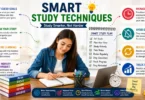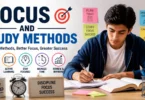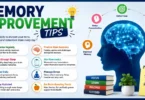
Exams are an important part of every student’s academic journey. Good preparation can help students feel more confident, reduce stress, and achieve better results. However, many students struggle because they do not have a clear study plan or effective learning methods. Learning the right study techniques can make exam preparation easier and more productive. We will explore practical exam study tips students can follow step by step. From understanding exam requirements and creating a study schedule to revising effectively and managing exam-day pressure, these tips will help students study smarter, stay organized, and improve their chances of success. Whether you are preparing for a school test or a major exam, these strategies can help you make the most of your study time.
Understand Your Exam Requirements First
Before starting your exam preparation, it is important to understand exactly what you need to study. Many students spend hours reading books without knowing which topics are most important. This can waste valuable study time and create unnecessary stress. When you understand your exam requirements first, you can focus on the right subjects and prepare more effectively. Start by checking the exam syllabus carefully. Make a list of all subjects, chapters, and topics that will be included in the exam. Pay special attention to topics that carry more marks or have appeared frequently in previous exams.
Understanding the exam pattern will also help you know how questions are asked and how much time you should spend on each section. It is also helpful to review past exam papers and sample questions. These resources can show you the types of questions you may face and help you identify important areas for revision. If there are any instructions from teachers or exam boards, make sure you read them carefully and include them in your study plan.
Set Clear Study Goals Before You Start
Setting clear study goals gives students a clear direction and helps them stay focused throughout their exam preparation. When you know exactly what you want to achieve, it becomes easier to manage your time and track your progress.
- Decide what subjects or topics you need to complete before the exam.
- Break large chapters into smaller and easier study tasks.
- Set daily goals to make steady progress without feeling overwhelmed.
- Create weekly targets to measure your overall preparation.
- Prioritize difficult subjects that require extra attention.
- Write your goals down so you can review them regularly.
- Make sure each goal is realistic and achievable within your available time.
- Track completed tasks to stay motivated and organized.
- Adjust your goals if your study schedule changes.
- Reward yourself after achieving important study milestones.
Clear study goals help students stay organized, focused, and motivated. A simple plan with achievable targets can make exam preparation more effective and less stressful.
Build a Realistic Study Timetable
A realistic study timetable helps students manage their time effectively and stay consistent throughout exam preparation.
- Start by calculating how many days are left before your exam.
- Divide your available study time among all subjects.
- Give more time to difficult subjects and important topics.
- Schedule study sessions during the hours when you feel most focused.
- Include short breaks between study periods to maintain concentration.
- Avoid studying the same subject for too many hours in a row.
- Reserve specific time slots for revision every week.
- Keep some flexible time for unexpected tasks or delays.
- Balance study time with schoolwork, hobbies, and rest.
- Review and update your timetable regularly based on your progress.
- Use a calendar, planner, or study app to stay organized.
- Follow your timetable consistently to build a productive routine.
A realistic study timetable helps students stay organized, use their time wisely, and complete exam preparation without feeling overwhelmed. Consistency is the key to making any study plan successful.
Organize All Study Materials in One Place
Keeping all study materials organized helps students save time and focus better during exam preparation. When everything is easy to find, studying becomes more efficient and less stressful.
- Gather all textbooks, notebooks, and study guides in one location.
- Collect class notes and arrange them subject-wise.
- Keep important worksheets and handouts in separate folders.
- Organize digital study materials into clearly labeled folders on your device.
- Remove outdated or unnecessary papers that may cause confusion.
- Create a checklist of all resources needed for each subject.
- Use color coding to identify different subjects quickly.
- Store previous exam papers and practice tests in one place.
- Keep stationery items such as pens, highlighters, and calculators nearby.
- Arrange revision notes so they are easy to access when needed.
- Update your study materials regularly as you complete topics.
- Maintain a clean and clutter-free study area for better concentration.
Organizing all study materials in one place helps students study more efficiently, avoid wasting time, and stay focused on their exam goals. A well-organized study system can make learning smoother and more productive.
Use Active Learning Techniques
Active learning helps students understand and remember information better than simply reading or highlighting notes. These techniques keep the brain engaged and make studying more effective.
- Ask yourself questions while studying each topic.
- Explain concepts in your own words to check understanding.
- Teach a lesson or topic to a friend or family member.
- Create short summaries after completing each chapter.
- Use flashcards to review important facts and definitions.
- Make mind maps to connect related ideas and concepts.
- Practice recalling information without looking at your notes.
- Solve quizzes and exercises to test your knowledge.
- Turn key concepts into simple questions and answers.
- Discuss difficult topics with classmates or study groups.
- Use real-life examples to understand complex concepts.
- Review mistakes and learn why the correct answers are right.
Active learning techniques help students stay engaged, improve memory, and understand topics more deeply. The more actively you participate in learning, the easier it becomes to remember information during exams.
Manage Exam Stress and Anxiety
Feeling nervous before exams is normal, but learning how to manage stress can help students stay calm, focused, and confident during their preparation and on exam day.
- Create a study plan to reduce last-minute pressure.
- Focus on one task at a time instead of worrying about everything at once.
- Take short breaks during study sessions to refresh your mind.
- Get enough sleep every night to improve concentration and memory.
- Practice deep breathing exercises when feeling anxious.
- Stay positive and avoid negative self-talk about your abilities.
- Avoid comparing your preparation with other students.
- Eat healthy meals to support brain function and energy levels.
- Stay physically active with regular exercise or short walks.
- Talk to teachers, parents, or friends if you feel overwhelmed.
- Prepare for exams early to avoid last-minute panic.
- Celebrate small study achievements to build confidence.
Managing exam stress and anxiety helps students think clearly, stay focused, and perform at their best. A calm and positive mindset can make exam preparation much more effective and enjoyable.
Common FAQS About Exam Study Tips Students
Some Faqs of Exam Study Tips Students:
How can students stay motivated while preparing for exams?
Students can stay motivated by setting small rewards after completing study tasks, tracking their progress, and focusing on their long-term academic goals.
Is studying with friends helpful for exam preparation?
Study groups can be beneficial when members stay focused, discuss concepts, solve problems together, and help each other understand difficult topics.
How can students improve their note-taking skills for exams?
Students can improve note-taking by writing key points, using simple language, highlighting important information, and organizing notes clearly by topic.
What should students do if they fall behind their study schedule?
Students should adjust their timetable, prioritize important topics, and focus on completing essential tasks rather than trying to cover everything at once.
Are educational videos useful for exam preparation?
Yes, educational videos can simplify complex concepts, provide visual explanations, and make learning more engaging when used alongside textbooks and notes.
How can students avoid feeling overwhelmed by large amounts of study material?
Students can divide large topics into smaller sections, focus on one task at a time, and celebrate small achievements as they make progress.
Should students change their study methods if they are not seeing results?
Yes, if a study method is not effective, students should experiment with different learning techniques to find the approach that matches their learning style.
How important is self-confidence during exams?
Self-confidence helps students stay calm, think clearly, and perform better under pressure. Confidence grows through consistent preparation and practice.
Conclusion
Successful exam preparation is not about studying longer; it is about studying smarter. By understanding exam requirements, setting clear goals, following a realistic timetable, using effective learning techniques, and maintaining healthy study habits, students can improve both their knowledge and confidence. Every small step taken during preparation contributes to better performance on exam day. Remember that exam success comes from consistency, dedication, and a positive mindset. Stay focused on your goals, learn from your mistakes, and continue improving your study habits over time. By applying these exam study tips students can reduce stress, stay organized, and increase their chances of achieving excellent academic results.